
When We Wear Orange
A color chosen by teenagers became the foundation of a movement.

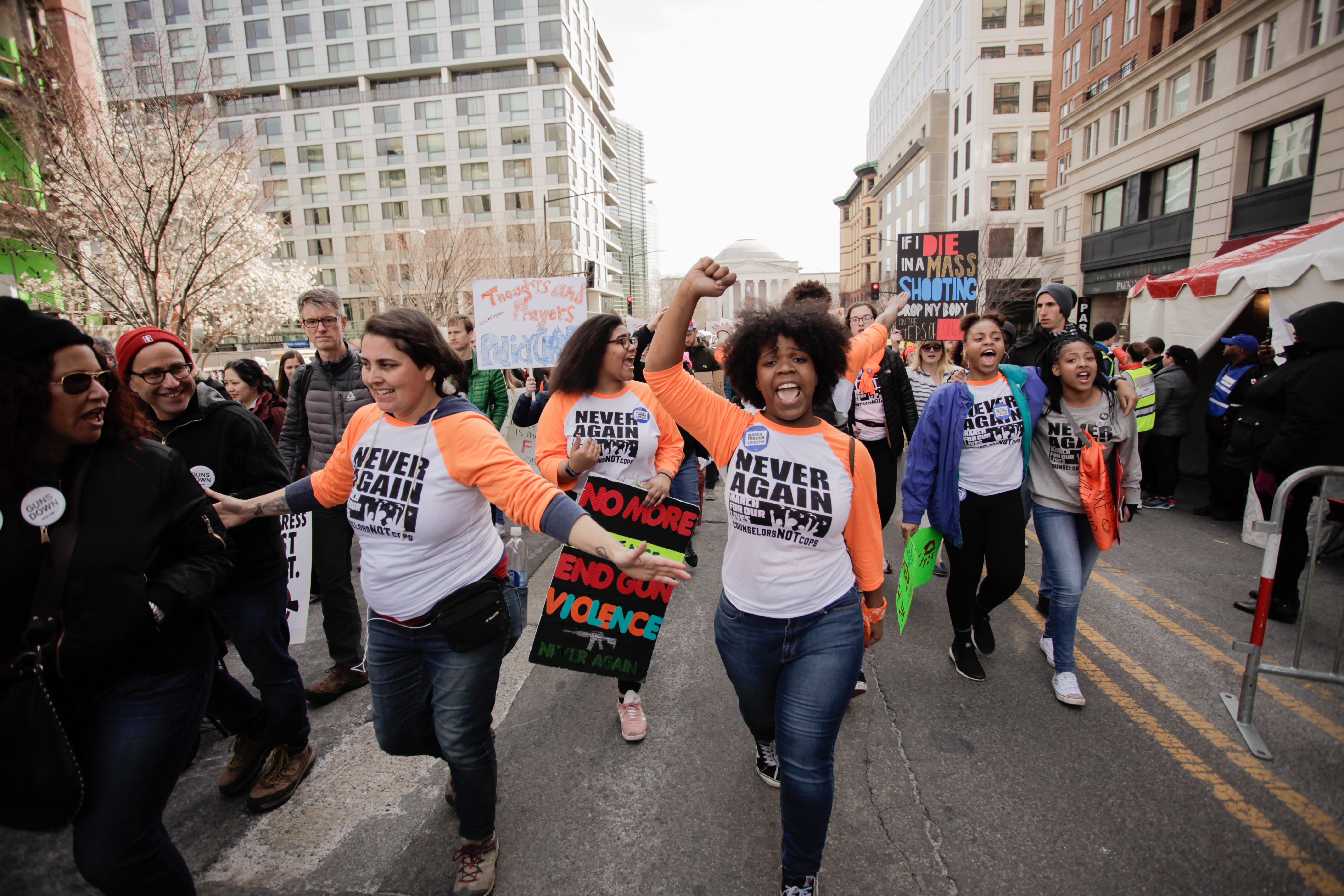
Every June, something shifts. Orange starts showing up on the people who have been doing this work for years, and in the feeds of anyone paying attention. If you don’t know the history behind it, it can blend in with all the other awareness campaigns competing for attention. But this one carries a specific story, and it’s worth telling as we move through Gun Violence Awareness Month and into Wear Orange Weekend.
The color was chosen by teenagers. In 2013, Hadiya Pendleton was shot and killed in a Chicago park, one week after performing at President Obama’s second inauguration. She was fifteen. Her friends wanted a way to honor her and to make her absence visible to a country that moves on too easily, so they chose orange because hunters wear it in the woods to be seen and to stay alive. It was a group of young people deciding that the people most often rendered invisible by gun violence deserved to be the most visible of all.
That decision became the foundation of a national observance. Wear Orange Weekend now arrives every June, anchored by Hadiya’s birthday on the first Friday of the month, and Gun Violence Awareness Month has grown around it. This observance was built from the ground up by families who refused to let private grief stay private, and by young people who understood, before the rest of the country did, that visibility is the first step toward change.
It’s easy to be cynical about awareness. We live in a culture saturated with ribbons and hashtags and designated months. But awareness alone isn’t the goal. The policies that exist today, like extreme risk laws in more than twenty states, expanded background checks, and the first major federal gun safety legislation in nearly three decades, didn’t arrive because lawmakers woke up one morning and changed their minds. They arrived because a movement made the cost of inaction unbearable, and because a generation refused to let the country look away.
The same is true of the work happening in communities every day. Community violence intervention programs in Oakland, Baltimore, Chicago, and dozens of other cities are showing what prevention can look like when it’s taken seriously and funded consistently. Young organizers who joined this movement as middle schoolers are now running campaigns, drafting policy, and stepping into elected office. None of that progress was inevitable.
This year, we have a new way to show up. Our latest merch collection is out, and every dollar goes directly back into the work, including the cultural campaigns that shift how this country talks about gun violence, the organizing that turns awareness into policy, and the youth programs that train the next generation of leaders. Wearing orange has always been about visibility, and the people who wear ours help fund the movement that visibility is meant to serve.
This June also arrives with real fights ahead. State legislatures are weighing rollbacks of laws that took years to pass. In Massachusetts, a major gun safety law faces a repeal referendum on the November ballot. The work of the next several months will shape the landscape for years to come.
Thanks for reading! Subscribe to stay connected to the young leaders, stories, and ideas shaping the future of this movement.
I will be wearing orange several times during the month, including the designated day in honor of the 2 family members of mine who committed suicide with a gun in their own homes. One was a 15 year old, good student and dearly loved son of a military family, my nephew's son. The other was a much loved father of 6 children and it was at Christmas time leaving them devastated and the entire family shocked for years. My cousin thought that all of the guns had been taken out of the house, because they knew he was depressed and he was getting help, but, apparently not enough, or not soon enough. He was a fine provider, a dedicated father and a loving husband. However, his father and a sister had committed suicide, too. So, there was something sad within, his family that none of us knew about. My cousin, his wife, has made a good life for herself, as have most of their daughters. The one son, has some mental problems and cannot hold a job for long. He lives in a special hotel in their little city in New England and he gets good care, but he sees little of his family. My orange will be to honor these 2 families and respect their losses.